Tile: We Use Only the Best Materials Sourced From All Around the World
Advanced Tiling Solutions has gained a reputation for providing customers with the highest standards of service, efficiency and professional advice in all areas of tiling and bathroom renovations. We focus heavily on customer satisfaction and giving a personalised service all over Melbourne.
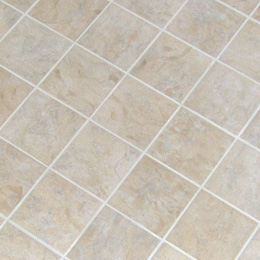
Porcelain tiles are composed of fine porcelain clay, which is fired at a much higher temperature than traditional ceramic tiles, making them harder and denser. Porcelain is more resistant to scratches and can withstand extreme temperatures due to its highly durable make-up. It is very stain resistant and, because it has a low water absorption rate, it can be used for interior and exterior applications. Porcelain tiles can be either glazed or unglazed. Unglazed porcelain tiles are usually polished to a high gloss shine but, because they are not coated with a glaze, such tiles will benefit from the application of a penetrating sealer to give it added stain resistance and to make it easier to clean.
Marble
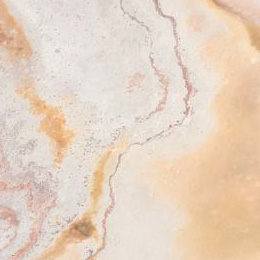
Marble is a metamorphic rock, a form of limestone composed mainly of calcium carbonate. It is formed under intense heat and pressure and features veins and swirls of colour. It can be honed or polished to a very high finish and is found in many shades, including black, white, grey, green and pink. Like all natural stone, marble tiles should be sealed to give them added stain resistance and to aid with cleaning. Being acid-sensitive, marble should be cleaned with a neutral Ph, or slightly alkaline, cleaner.
Granite
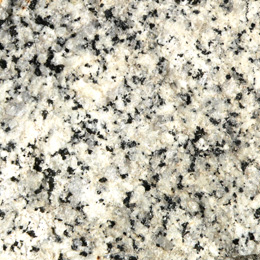
Given its durability, elegance and versatility, granite has been a popular variety of stone for centuries. Granite is suitable for table tops, vanities, kitchen counter tops, high traffic flooring and walls. It is extremely dense, which means that, unlike some varieties of natural stone, it is generally not as porous, so it is not as prone to absorption and staining. It is also a silicate, not a calcium carbonate, so it will not etch when exposed to acidic foods and beverages such as lemon juice, tomatoes and red wine.
Limestone
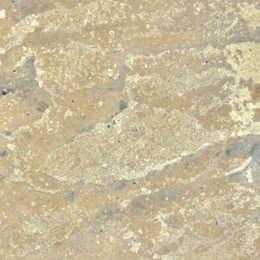
Limestone is a sedimentary rock formed over millions of years from deposits of marine invertebrates. It is predominantly cream in colour often featuring fascinating fossilised remains. Limestone has been used as a building material for many generations. It is gaining popularity as a sophisticated material that offers timeless qualities that are only possible with natural materials.
Travertine
Travertine is a sedimentary rock, a form of limestone composed of calcium carbonate. Formed from hot springs millions of years ago, the stone is characterised by pitted holes and troughs on its surface. A large quantity of travertine was used to construct The Colosseum in Rome; many other well-known buildings also feature it. Travertine can be purchased “filled” or “unfilled.” It can be honed or polished to a smooth, shiny finish and comes in a variety of colours, from white through to cream, beige and red. Like all natural stone, travertine should be sealed to give it added stain resistance and to aid with cleaning. Being acid-sensitive, travertine should be cleaned with a neutral Ph, or slightly alkaline, cleaner.
Engineered
Engineered stone is a composite material made of crushed stone that is bound together by a polymer resin. It is typically more flexible, harder, stronger and less porous than natural stone. Engineered stone products are gaining in popularity and are sometimes preferred over granite products because they require less maintenance.
Mosaic
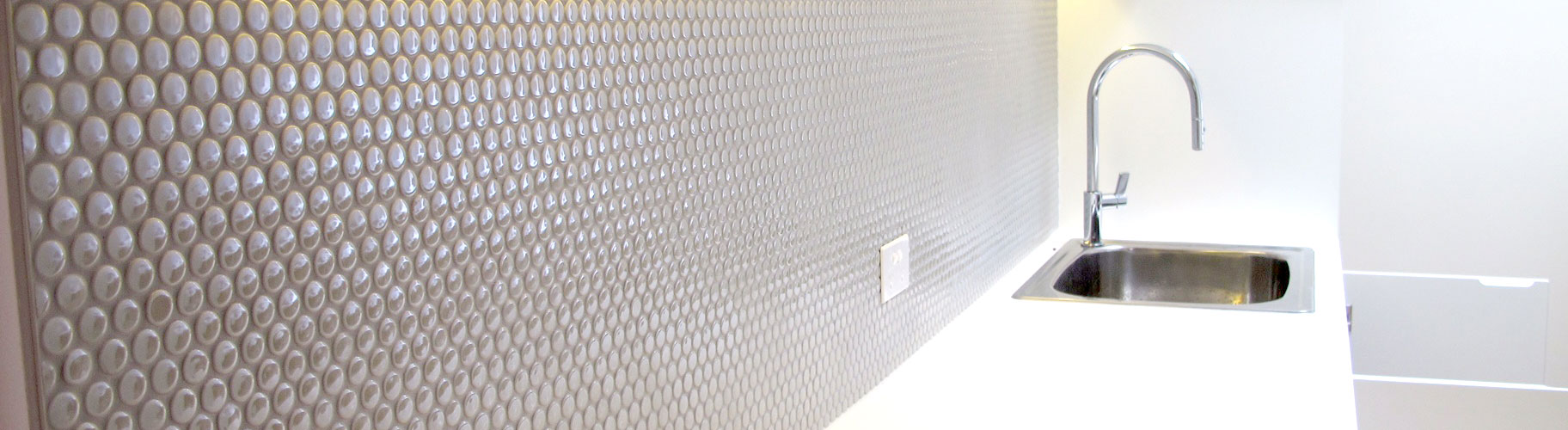
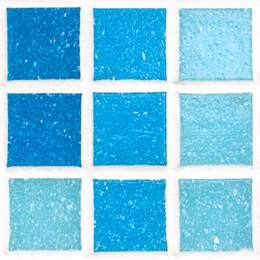
Mosaic tiles are small pieces of tile that are usually supplied on a mesh backing. Or they may be paper faced. Originally they were used to create intricate designs or pictures. In addition to the example shown here, mosaics can be obtained in many shapes and sizes. They also can be used as feature borders in various designs. Mosaic tiles can be made from all types of material including ceramic, glass and natural stone.
Tessellated
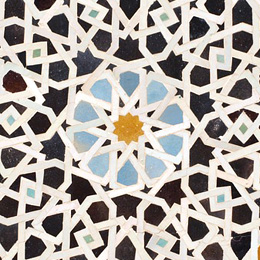
Tessellated tile floors have a long and interesting tradition, stretching back to the Middle Ages. Their use in commercial and domestic architecture in the 19th century was attributable to their strength, durability, diversity of design, and their suitability for use in a wide variety of applications.